
Breaking The Retail Death Spiral
Retail distress rarely arrives as a single dramatic event.
More often, it develops quietly—through a sequence of operational and financial pressures that reinforce one another:
Sales decline → margin compression → liquidity constraints → reduced investment → weaker customer experience → further sales decline.
By the time this pattern is visible in financial results, the business may already be operating with fewer choices. Inventory becomes harder to replenish. Store maintenance and visual merchandising are deferred. Marketing spend is reduced. Talent becomes more difficult to retain. The customer notices—not necessarily through one defining failure, but through the accumulated effect of dozens of smaller compromises.
This is the retail death spiral: a self-reinforcing cycle in which declining performance limits the very investments needed to restore performance.
But it is not inevitable.

The Earlier a Retailer Acts, the More Options It Has
The most important moment in a turnaround is often before a company is widely perceived to be in distress.
Waiting until liquidity is exhausted or vendors have lost confidence dramatically narrows the available path forward. At that point, actions tend to be reactive: emergency financing, accelerated markdowns, store closures, asset sales conducted under pressure, or restructuring decisions made without enough time to maximize value.
Earlier intervention changes the equation.
Retailers that assess their asset base while operations remain stable can identify value that is often trapped, overlooked, or not reflected in traditional financial reporting. Converting that value into liquidity and strategic flexibility can provide critical runway—time to improve operations, refine the assortment, rationalize the footprint, invest in the customer experience, or execute a broader strategic transition.
The goal is not simply to sell assets. It is to create choices.
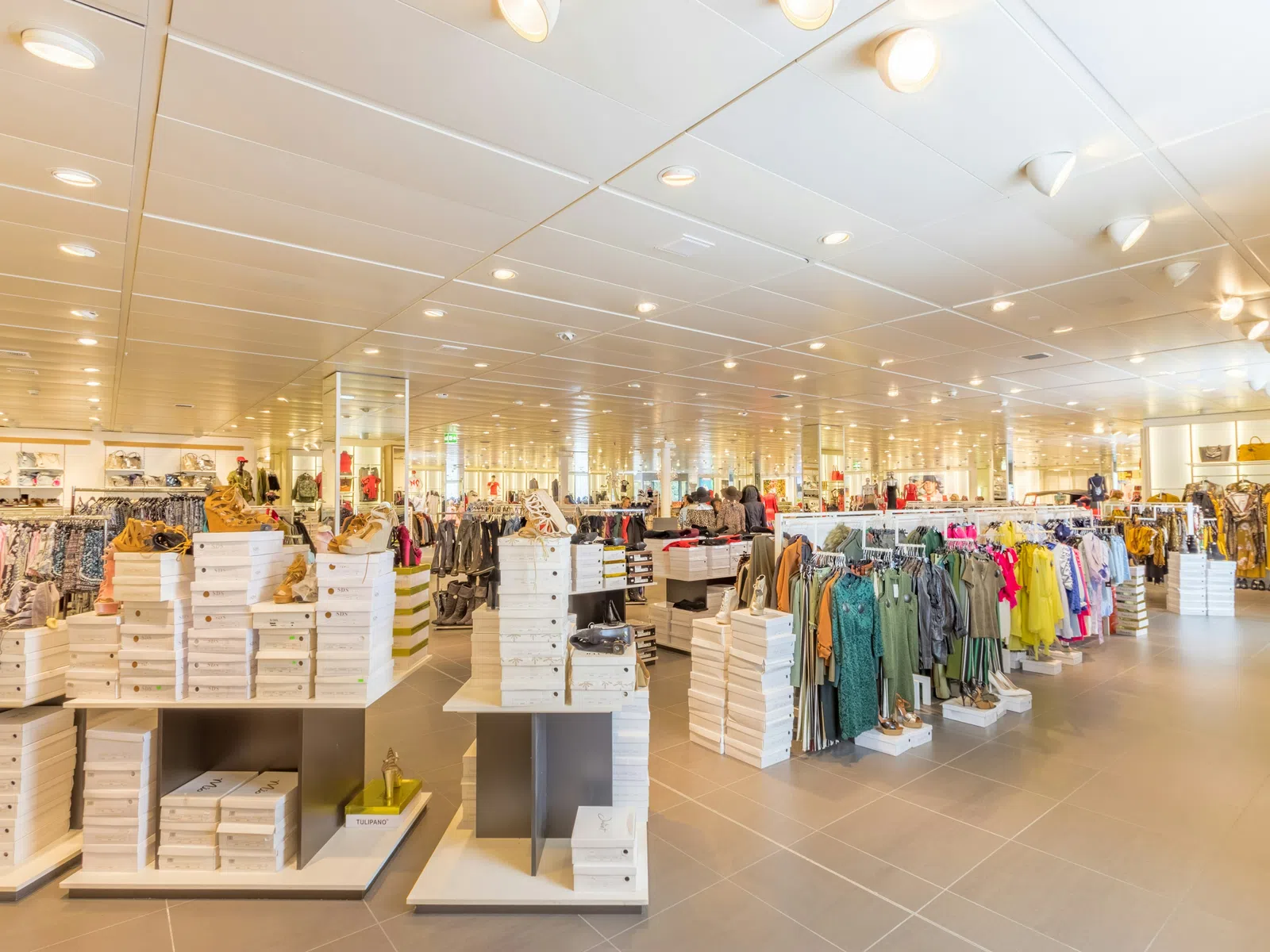
Trapped Value Exists Throughout the Retail Enterprise
Retail businesses are asset-rich in ways that are not always fully visible from a balance-sheet perspective. A thoughtful assessment can uncover opportunities across multiple categories:
- Inventory: Excess, aged, discontinued, seasonal, returned, or non-core inventory can often be monetized through channels that protect the core brand and preserve customer relationships.
- Store fixtures, furniture, and equipment: From shelving and displays to back-of-house equipment, these assets can hold meaningful secondary-market value, particularly during store rationalizations or format changes.
- Real estate: Owned properties, leasehold interests, distribution facilities, and excess space may create opportunities for sale-leasebacks, subleases, dispositions, or other strategic alternatives.
- Brands and intellectual property: A recognized brand, private-label portfolio, customer data assets, trademarks, and licensing rights may retain significant value—even when the existing operating model requires change.
- Accounts receivable: Receivables can represent an important source of working capital when managed, financed, or structured effectively.
- Other business assets: Distribution infrastructure, technology platforms, machinery, vehicles, office equipment, and specialized operational assets can all contribute to a more complete liquidity strategy.
The central question is not, "What can we sell?"
It is, "Which assets can be monetized in a way that strengthens the business, protects value, and supports the strategy ahead?"

Liquidity Should Support Strategy—Not Replace It
Asset monetization is sometimes viewed as a last-resort measure. That framing misses the opportunity.
When approached strategically, liquidity generation can help fund the actions that a retail business needs to recover or evolve. It can support a targeted store rationalization while preserving high-performing locations. It can finance inventory investments in the categories customers actually want. It can enable an omnichannel transition, improve fulfillment capabilities, reduce debt, or create the runway needed to complete a transaction or restructuring.
In other words, asset value can become operating flexibility.
That flexibility is particularly important in retail, where timing matters. Seasonal cycles, vendor relationships, customer confidence, and market perception can all shift quickly. A retailer with liquidity and a clear plan can act deliberately. A retailer without it is often forced to react.

A Holistic Approach Creates Better Outcomes
No two retail situations are identical. A growth-oriented retailer may need capital to expand efficiently. A mature retailer may need to optimize its footprint and rebalance its cost structure. A distressed retailer may need to stabilize liquidity while preserving the value of its brand, inventory, and customer relationships.
In each scenario, the strongest outcomes come from looking beyond a single transaction.
That requires combining asset intelligence with operational insight, transaction execution, and access to capital. It means understanding not only what an asset may be worth, but also the best timing, structure, channel, and strategic purpose for unlocking that value.
The objective is not liquidation for its own sake.
It is to preserve enterprise value, reduce complexity, create liquidity, and give management the capacity to execute its next move with confidence.

Retail Value, Unlocked
The retail environment will continue to reward businesses that adapt quickly—whether they are responding to changing consumer preferences, reshaping physical footprints, managing excess inventory, or navigating financial pressure.
For leaders facing these decisions, the imperative is clear: assess value early, act before options narrow, and use the full asset base to support a defined strategic plan.
Get In Touch
At GA Group, we bring together asset intelligence, operational expertise, transaction capabilities, and capital solutions to help retailers navigate transformation, restructuring, growth, and change.